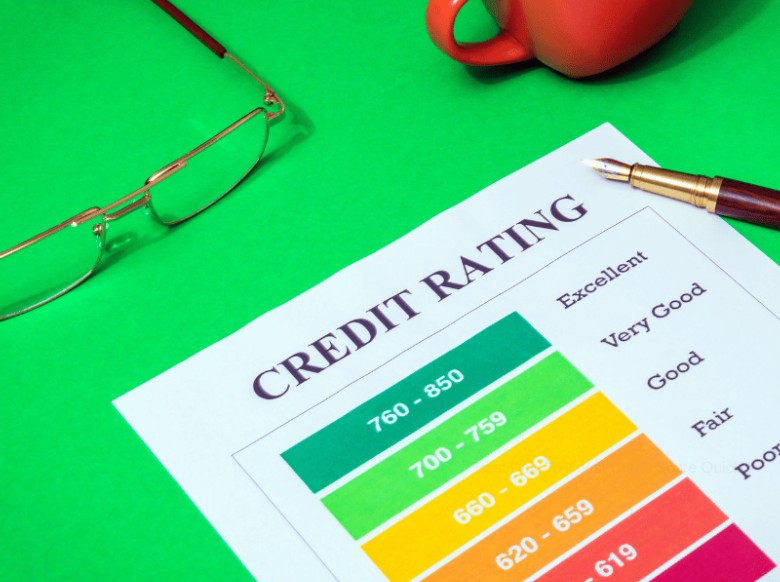
A low credit score can make it difficult to get approved for loans or even a new credit card. The frustration grows when negative items on your credit reports keep affecting your financial future. Fortunately, proven methods can help boost your credit and improve your financial standing. By understanding how credit scores work and building smart credit habits, you can develop a stronger credit profile and move closer to your financial goals with the best way to increase credit score.
Why Your Credit Score Matters
Your credit score serves as a snapshot of your financial reliability. Lenders use credit scores and FICO scores to determine whether you qualify for financing and what interest rates you’ll receive.
A higher credit score can help you:
- Qualify for lower interest rates
- Get larger credit limits
- Secure better loan terms
- Improve approval odds for a personal loan
- Increase your chances of getting an auto loan
- Access premium credit card offers
Your credit file contains information collected by credit bureaus and credit agencies, helping lenders assess your credit performance and financial responsibility.
Understand the Factors That Affect Credit Scores
Before attempting to boost your credit, it helps to understand the primary factors influencing your score.
Payment History. This is the most important factor in credit scoring models. Making on-time payments demonstrates financial responsibility, while missed payments and late payments can damage your score and remain on your credit reports for years.
Credit Utilization Ratio. This measures how much available credit you’re using. For example, with a $10,000 total credit limit and $2,000 in current balances, your utilization rate is 20%. Lower rates generally lead to better scores. Most experts recommend keeping utilization below 30%, though under 10% is ideal.
Length of Credit History. This reflects how long you’ve maintained your accounts. Older accounts strengthen your credit age, so keeping long-standing accounts open helps your profile.
Credit Mix. This refers to the variety of accounts in your credit file—credit cards, personal loans, auto loans, mortgages, and credit-builder loans. A healthy mix shows you can manage different forms of debt.
New Credit and Hard Inquiries. Every new application may trigger a hard inquiry. One or two have minimal impact, but many applications in a short period can lower your score.
Make On-Time Payments Every Month
One of the fastest ways to improve your credit performance is paying all bills on time. To stay consistent, set up automatic payments, use electronic reminders, create a monthly budget, and schedule payments before due dates. Whether it’s a credit card, personal loan, or auto loan, always pay your loans as agreed.
Lower Your Credit Utilization Rate
Reducing your utilization is one of the most effective ways to increase your score.
Pay down credit card balances. High balances can harm your score even when payments are on time. Focus on reducing balances across all accounts.
Request a higher credit card limit. With a strong payment record, your issuer may approve an increase, lowering your utilization percentage without requiring you to pay off all debt immediately. Just avoid spending more simply because extra credit is available.
Review Your Credit Reports
Errors on credit reports are more common than many consumers realize. Review your reports for incorrect balances, accounts that don’t belong to you, duplicate accounts, inaccurate payment records, and fraudulent activity. If errors appear, contact the appropriate creditors and credit bureaus immediately to request corrections.
Consider a Secured Credit Card
A secured credit card is an excellent option for rebuilding or establishing credit. Unlike traditional cards, it requires a refundable security deposit. Benefits include easier approval, the opportunity to establish positive payment history, and a chance to show responsible credit habits. When managed well, it contributes to long-term credit growth.
Use a Credit-Builder Loan
A credit-builder loan helps consumers improve their standing. Payments are reported to credit bureaus, positive activity strengthens your file, and you build responsible borrowing habits. This option is especially helpful for individuals with limited credit history.
Avoid Excessive New Credit Applications
Applying for many accounts quickly can trigger multiple hard inquiries and lower your score. Before applying, ask whether you truly need the account, whether it supports your goals, and whether you can manage the extra debt.
Authorized User Tradelines: One of the Best Ways to Increase Credit Score
Among today’s credit-building strategies, authorized user tradelines remain one of the most powerful tools for faster improvement. When you become an authorized user on an established account, that account’s positive history appears on your credit reports. Potential benefits include improved payment history, increased average credit age, better utilization, and an enhanced profile. The primary account holder stays responsible for the account, so you gain these benefits without taking on extra debt.
Why Many Consumers Turn to Coast Tradelines
Choosing a reputable provider matters. Many individuals exploring tradelines choose Coast Tradelines because of our commitment to high-quality accounts and customer-focused service. Rather than presenting tradelines as a quick fix, we emphasize their role within a broader strategy. Combined with strong habits and responsible debt management, they produce the best long-term results.
Final Thoughts
Increasing your credit score takes consistent effort and proven practices. It won’t happen overnight, but focusing on the right actions delivers significant results. Make on-time payments, lower your balances, monitor reporting accuracy, limit new applications, maintain a healthy credit mix, and consider tools like secured cards, credit-builder loans, and authorized user tradelines through trusted providers like Coast Tradelines. With these strategies, you can strengthen your file, improve your FICO scores, and move confidently toward your financial goals.
This comes in right around 850 words. Want me to drop it into a Word doc or adjust the keyword density anywhere?