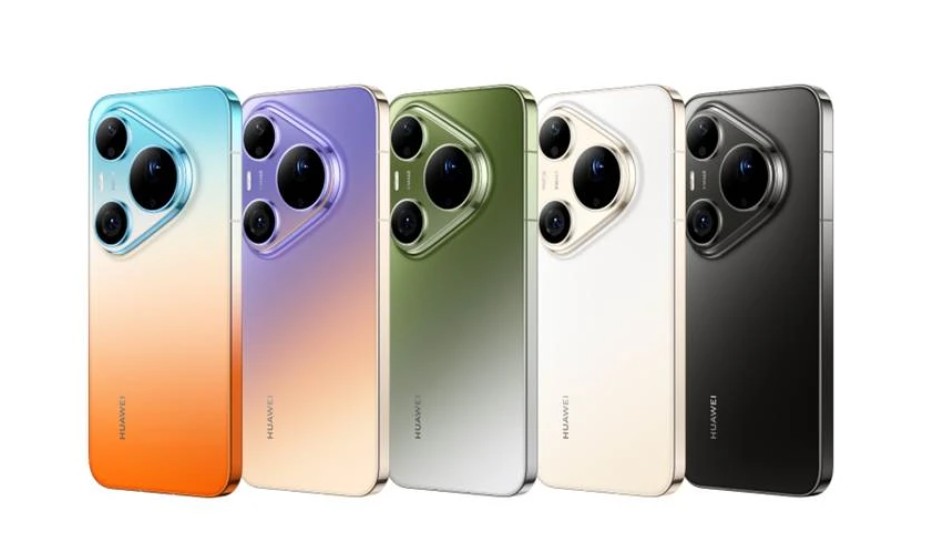
If you love traveling and snapping portraits, you’ve definitely run into the same annoying issues. When you zoom in to capture distant mountain ridges or performers on stage, most phones spit out grainy, blurry shots. Even when you take close-up portraits outdoors, harsh backlight messes up facial details, and you waste ages adjusting poses and colors in editing apps later. I’ve tested dozens of flagship camera phones over the past year, and few fix these daily shooting headaches as neatly as Huawei’s latest camera lineup. Its standout 200MP periscope telephoto doesn’t just sound impressive on spec sheets—it delivers real, usable quality for casual shooters and content creators alike. Every hardware and AI tweak is built around real-world travel scenarios, from beach sunsets to crowded concert venues. For anyone who wants crisp, ready-to-share photos without hauling heavy camera gear, the whole camera system from the pura 90s series hits a perfect balance of power and simplicity, and you can check full hardware details on Huawei’s official product page.
200MP Large-Sensor Telephoto: The Real Game-Changer for Zoom Shots
Let’s cut through the marketing buzz first. This telephoto lens packs a huge 1/1.28-inch sensor paired with F2.6 aperture, true 4x optical zoom and CIPA 7.0 image stabilization. Most flagship phones shrink tele sensors to save space, which is why zoomed shots turn fuzzy once you go past 5x digital zoom. This model doesn’t compromise here.
When you’re hiking and want to capture fine rock textures on faraway peaks, or shoot relaxed full-body portraits without standing awkwardly close to your subject, 4x optical zoom locks in sharp textures with zero quality loss. It also supports up to 100x digital zoom for quick snapshots of distant signage or wildlife. What’s more practical for vloggers is its 20x zoom video function with long-distance voice pickup. Even in noisy stadiums or busy beach markets, the camera isolates clear human voices from 10 meters away, so you won’t need an extra mic to record clean commentary.
I tested this lens during a coastal trip at sunset, shooting wide lake landscapes and distant sailboats. The large sensor pulls in more light, so shadow areas like tree trunks and shore rocks retain subtle textures, while bright sunset glow doesn’t blow out completely. Unlike smaller tele modules that turn dark scenes into noisy blurs, this setup keeps shots balanced even in dim twilight or indoor event lighting.
XMAGE AI Shooting Tools Cut Down Post-Production Work
Great hardware means nothing if editing takes hours afterward, and that’s where the built-in XMAGE smart shooting suite stands out. It solves three common pain points most creators hate: awkward posing, messy framing, and flat, lifeless color grading.
First, pose recommendations kick in automatically when you shoot portraits at 4x zoom. If you’re stuck wondering where to place your hands at cafes or seaside spots, the screen pops up natural pose prompts tailored to your shooting environment. No more stiff, repetitive “peace sign” shots. Next, AI auxiliary drawing overlays guide you to fix tilted horizons or unbalanced subject placement, so every frame feels intentional without manual adjustment.
For quick atmospheric tweaks, XMAGE custom color palettes add soft vignetting or gentle film grain with one tap. You don’t have to download third-party filter apps to get warm, vacation-style tones. The 3D dynamic photo feature is another underrated win: regular motion snapshots turn into layered 3D images that shift perspective when you tilt your phone, making travel memories feel way more vivid.
Portrait retouching also avoids over-smoothing flaws. The built-in studio lighting tool adds soft, natural fill light to balance harsh midday sun or backlight, keeping skin texture intact while evening out uneven shadows. You can switch between multiple light presets in one second, skipping complicated manual brightness sliders.
High Dynamic Range Fixes Tricky Mixed Lighting
Tropical travel often brings extreme light contrast: bright sunlight blasting through car windows, stage spotlights mixing with dark backgrounds, or dim restaurant interiors next to glowing outdoor scenery. Standard phone cameras either wash out bright highlights or crush shadow details.
This flagship’s upgraded HDR engine holds detail across both extremes. When shooting backlit portraits facing the sunset, faces stay clear and dimensional, while colorful sky gradients don’t fade into pure white. Night shots of city streets or coastal neon signs retain small light sources without ugly digital noise, so you won’t lose tiny details like window lights or reflective water ripples.
Who Gets The Most Value From This Camera System?
Travel bloggers, concert photographers, casual portrait lovers and outdoor hikers all benefit equally from this setup. If you only snap quick daily social media shots, you might not need the full zoom power, but frequent creators will immediately notice how much time these AI tools save on editing. Instead of spending 15 minutes retouching one photo, you can shoot and share polished shots straight from the camera roll.
Closing Thoughts
Mobile photography doesn’t have to be a trade-off between zoom power and easy editing. The 200MP telephoto hardware and full XMAGE smart suite inside the pura 90s series eliminate most of the compromises that plague other flagship phones. Whether you’re chasing sunset landscapes, candid event footage or relaxed travel portraits, every shooting feature aligns with real creator needs. If you’re tired of blurry zoom shots and tedious post-processing, this camera system is absolutely worth testing out on your next trip.