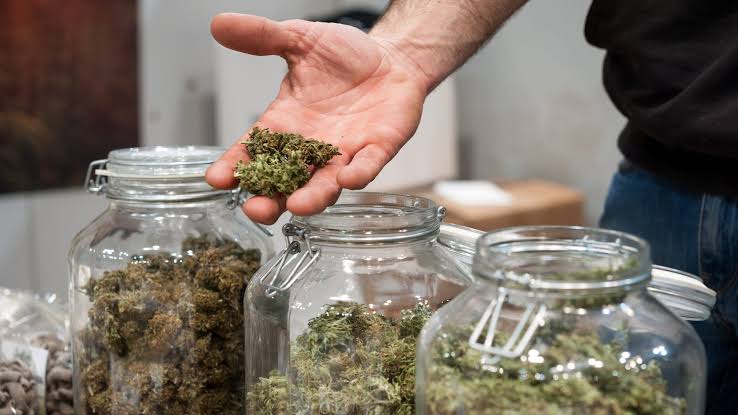
Picture walking into a store and grabbing a cannabinoid product built specifically around your biology. Your goals. Your particular situation — not some watered-down formula calibrated for nobody. That’s the direction this whole market is lurching toward, and fast. Personalization has taken over fitness, skincare, nutrition — and now cannabis is doing the same thing, ditching the generic shelf-filler in favor of blends engineered around real individual targets. So why have these formulations gotten so sophisticated? And who’s actually seeing the benefit?
1. Understanding Cannabinoid Synergy
Entourage effect. Cannabinoid synergy. Different words, same core idea. When cannabinoids team up, they can produce something none of them would manage solo. CBD, Delta 8, Delta 9, CBN — each has its own distinct profile. But the combinations? Entirely different story. Pair CBD with Delta 8 and you often get an experience neither compound reaches independently. Both manufacturers and consumers are realizing the same thing: ratios matter just as much as ingredient lists. That realization cracked open a new design space entirely — blends aimed at relaxation, focus, sleep, pain relief. The science underneath it is still evolving, pushing formulators to keep experimenting rather than settle.
2. Consumer Demand for Personalized Solutions
Generic doesn’t work anymore. People want products that actually fit their lives — their health philosophies, their daily routines, their specific circumstances. The broader wellness world proved this years ago. Personalization builds loyalty. The cannabinoid market is catching up now. Someone managing chronic stress might lean toward a CBD-heavy Delta 8 blend; someone chasing creative focus wants something different entirely. Companies like Boutiq Switch Glow have caught on, giving customers clearer windows into what’s actually inside their products. That transparency push isn’t just a trend. It’s a structural shift — one cannabinoid businesses don’t really have a choice about anymore.
3. Technological Advances in Formulation
Precision formulation used to be aspirational. Now it’s just operational. Advanced chromatography, high-accuracy testing equipment — modern extraction tools let producers isolate cannabinoids with specificity that wasn’t remotely practical a few years back. Isolated cannabinoids, full-spectrum extracts, broad-spectrum materials: manufacturers layer these in deliberate combinations, dialing exact ratios and potency levels. Temperature control, solvent choice, purification technique — all sharper than before. The result? Genuinely customized cannabinoid products are no longer niche lab experiments. They’re scalable. Repeatable. Economically viable for producers both large and boutique.
4. Market Growth and Accessibility
The customized segment has grown quickly. Retail shelves and online platforms now carry formulations that flat-out didn’t exist a few years ago, putting specialized blends within reach of a much wider audience. Consumer comfort has risen alongside product diversity. More people are willing to explore combinations, ask harder questions, expect actual specificity from labels. Small-batch producers are investing in custom development. So are the major players. Both see the same competitive edge. And as awareness spreads about what personalized formulations can actually do, the trajectory becomes obvious — customization stops being a premium novelty and becomes the baseline expectation. Interest in cultivation has also grown on an individual level, with many consumers researching different quality cannabis seeds and genetics to better understand how cannabinoid profiles begin at the source. That transparency push isn’t just a trend. It’s a structural shift, and one cannabinoid businesses don’t really have a choice about anymore.
5. Challenges and Future Considerations
None of this is frictionless. Regulatory uncertainty still hangs over the entire space — different regions draw different legal lines around which cannabinoids can be produced, sold, or even mentioned in marketing. Standardization is patchy at best. Testing protocols vary between producers, which means product accuracy can vary too. Consumer education remains a genuine gap; plenty of buyers don’t yet understand how these compounds interact or what to realistically expect. Experimentation and accountability have to stay balanced — accurate labeling, responsible marketing, safety first. Clearer regulatory frameworks and consistent testing standards will ultimately define what a mature customized cannabinoid market looks like.
Conclusion
Customized cannabinoid blends aren’t some side story. They signal a real shift in how the cannabis industry thinks about actually serving people. Off-the-shelf defaults are losing ground. Fast. Options that reflect individual goals, preferences, and desired effects are winning. Formulation technology made precision blending practical; consumer demand made it necessary; broader market access made it normal. Combining cannabinoids at deliberate ratios — and genuinely understanding the synergistic results — opens doors to products that are more targeted, more useful, more honest about what they deliver. As regulations tighten into something coherent and the science deepens, customized blends won’t be a premium tier anymore. They’ll just be the standard.