Exercise and Blood Pressure: What Checking Before and After a Workout Can Reveal

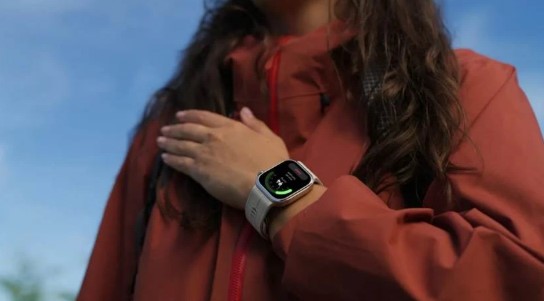
It sounds contradictory at first: exercise raises blood pressure while it happens, yet regular exercise is one of the most reliable ways to lower resting blood pressure over time. Both statements are true, and understanding the difference turns a confusing pair of facts into practical guidance. During activity the circulation adapts to supply working muscles; over weeks and months, repeated activity improves how the cardiovascular system regulates itself. The key is knowing what is happening in an individual body at an individual moment — which is exactly where wrist-based blood pressure measurement earns its place.
When muscles work harder, the heart pumps faster and systolic pressure climbs — a normal, healthy response. Diastolic pressure typically stays steady or shifts slightly. Problems arise when the response is exaggerated or when recovery afterwards is unusually slow, patterns that can signal the cardiovascular system is under strain.
Most people never see these numbers, because measuring blood pressure around exercise used to require stopping, sitting down and wrapping a cuff around the upper arm — by which time the moment had passed. A watch that measures on the wrist changes the workflow entirely: readings can be taken immediately before lacing up and within minutes of finishing, while the information is still meaningful.
The Value of a Pre-Exercise Check
Training hard on a day when blood pressure is already elevated adds load to a system that is not ready for it. A quick pre-exercise measurement answers the question directly: is today a day for intensity, or a day for something gentler? The HUAWEI WATCH D3 formalises this habit by alerting the wearer to hold off on intense workouts when the pre-exercise reading is too high — a small intervention that can prevent a risky session.
This is not about avoiding exercise; it is about timing it. The long-term benefits of regular activity on resting blood pressure are well documented, but those benefits accumulate through consistent, appropriate effort rather than heroic sessions on the wrong days.
There is also a psychological benefit to the pre-exercise check: it removes ambiguity. Instead of training through vague uncertainty — was that dizziness fatigue or something else? — the wearer starts each session with a clear picture, which tends to make exercise more enjoyable as well as safer.
Building a Routine That Moves the Numbers
Research consistently shows that aerobic training — brisk walking, jogging, cycling, swimming — reduces resting blood pressure by meaningful margins, and that strength training contributes similar benefits. Combined programmes tend to perform best of all. The practical takeaway is refreshingly achievable: regular, moderate effort sustained over weeks beats occasional intensity.
A wearable that measures blood pressure around each session makes this progress visible. Watching resting values soften over a training block is profoundly motivating, and noticing which activities produce the calmest responses helps refine the routine. The data turns an abstract health goal into a feedback loop that rewards consistency.
Recovery Tells Its Own Story
How quickly blood pressure settles after exertion is itself informative. The WATCH D3 prompts a post-exercise measurement within two minutes of finishing — covering outdoor and indoor running, walking and cycling — and captures the recovery phase while it is still unfolding. Over time, these before-and-after pairs build a personal dataset: how the body responds to different intensities, how recovery changes as fitness improves, and whether anything unusual deserves a conversation with a professional.
Patterns matter more than individual readings. A single high number after a hard interval session means little; a consistent trend of slow recovery or unexpected spikes is worth acting on.
Turning Data into Better Habits
The real value of around-exercise measurement is behavioural. Seeing concrete numbers encourages the habits that move them: regular aerobic sessions, strength training, better sleep, calmer recovery days. When blood pressure trends sit alongside workout records and sleep scores in a single app — as they do in the Health Insights view — cause and effect become visible in a way that abstract advice never achieves.
Mini-workouts for busy days and over a hundred exercise modes mean the same watch that checks the numbers also supports the activity that improves them, closing the loop between measurement and action.
The companion ecosystem supports the habit beyond measurement: over a hundred workout modes cover everything from daily walks to weekend cycles, and guided programmes available through HUAWEI Health+ provide structure for those who prefer a plan to follow rather than inventing one.
A Deeper Dive Into the Science
For anyone who wants to understand the physiology in greater depth — why pressure rises during effort, what recovery patterns indicate, and how to make before-and-after measurements genuinely useful — this guide to training with a smartwatch with blood pressure monitor support, written by a specialist in preventive cardiology, walks through the evidence and the practical routines step by step. Over a season of training, those small, well-timed decisions accumulate into measurable, lasting cardiovascular benefit.