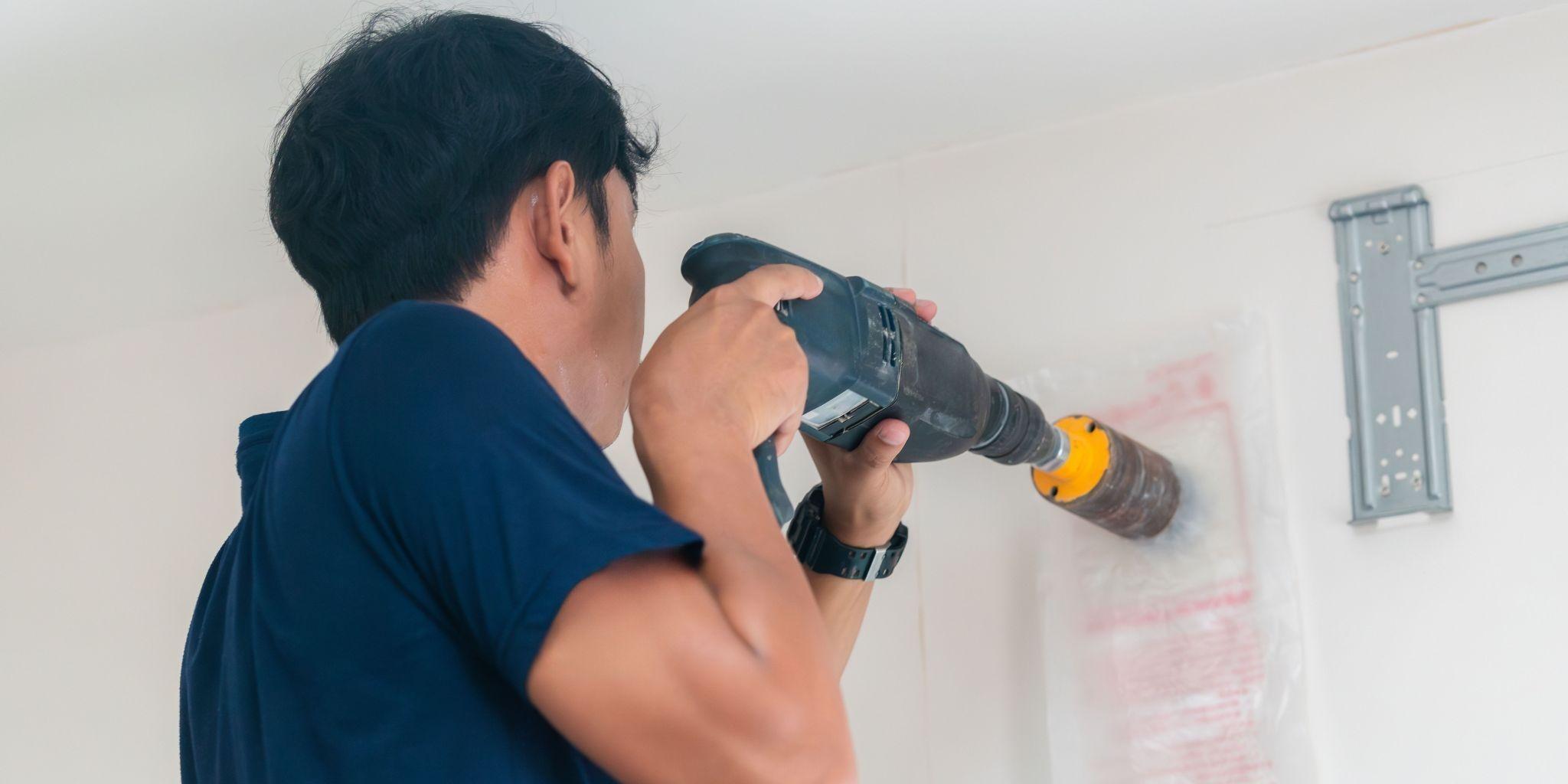
Core drilling is a specialised technique used in construction, engineering, and maintenance for creating precise circular holes in hard materials such as concrete, stone, and masonry. The process requires specific tools and equipment designed to provide accuracy, efficiency, and safety. Understanding the key aspects of core drilling drills and equipment is essential for professionals aiming to achieve optimal results in their projects.
Introduction to Core Drilling
Core drilling involves the removal of a cylindrical section of material using a hollow drill bit. This method is widely employed for installing utilities, creating openings for pipes and cables, and testing material strength. Unlike traditional drilling, core drilling allows for cutting through thick, reinforced surfaces with minimal damage to the surrounding area.
Types of Core Drilling Drills
Various types of core drilling drills are available, each designed for specific applications and materials. The choice of drill depends on factors such as hole diameter, depth, material hardness, and project scale. The main categories include handheld drills, lightweight portable drills, and large stationary drilling rigs.
Handheld Core Drilling Drills
Handheld core drills are versatile and suitable for smaller projects or when drilling in confined spaces. They are typically electric-powered and lightweight, allowing for manoeuvrability and ease of use. These drills are ideal for drilling holes up to approximately 150 millimetres in diameter and are commonly used for maintenance tasks and installations.
Portable Core Drilling Units
Portable core drilling units offer enhanced power and precision compared to handheld models. They usually feature a stand or mounting system for stability and are capable of drilling larger diameter holes, often exceeding 300 millimetres. These units support both wet and dry drilling methods, with wet drilling helping to reduce dust and cool the drill bit.
Stationary Core Drilling Rigs
For heavy-duty applications, stationary core drilling rigs provide maximum power and accuracy. These machines are bolted to the surface to deliver robust drilling capabilities for substantial diameter and deep core holes. Such rigs are commonly utilised in large-scale construction projects and infrastructure development.
Core Drill Bits and Their Importance
The drill bit is a critical component in core drilling equipment. Core drill bits are typically cylindrical and hollow, with cutting surfaces that allow them to grind through materials. Diamond-tipped drill bits are the most prevalent due to their durability and effectiveness on hard surfaces like reinforced concrete.
Choosing the appropriate core drill bit ensures efficient drilling and prolongs the life of both the bit and the drill. Factors influencing the selection include material type, hole diameter, and whether the operation is wet or dry. Wet drilling with diamond bits not only reduces heat but also improves cutting speed and bit longevity.
Wet vs Dry Core Drilling
Both wet and dry core drilling techniques have their advantages and limitations. Wet core drilling utilises water to cool the bit, reduce dust, and remove slurry from the drilling site. This method is preferred for large diameters and deeper holes as it minimises wear and enhances safety by controlling airborne particles.
Dry core drilling, on the other hand, is advantageous when water supply restrictions exist or when electrical components cannot be exposed to moisture. However, dry drilling generates significant dust that must be managed with appropriate extraction systems and protective equipment.
Core Drilling Equipment and Accessories
Beyond drills and bits, several auxiliary tools and accessories are integral to core drilling operations. These include drilling stands and rigs, vacuum anchors for securing portable drills, water supply systems for wet drilling, and dust extraction units for dry drilling.
Proper use of these accessories ensures stability, accuracy, and safety. Vacuum anchors, for instance, allow certain portable rigs to be mounted securely on smooth surfaces without drilling anchor holes, reducing setup time and surface damage.
Safety Considerations in Core Drilling
Core drilling carries inherent risks due to the power of the machines and the materials involved. Operators must adhere to safety protocols, including wearing appropriate personal protective equipment such as safety goggles, respiratory masks, ear protection, and gloves.
Electric core drills must also be correctly earthed and used with residual current devices (RCDs) to prevent electric shock. Additionally, awareness of structural integrity and avoiding hidden utilities during drilling are crucial precautionary measures.
Maintenance and Care of Core Drilling Equipment
Regular maintenance extends the life of both core drilling drills and bits. Operators should inspect equipment for wear, lubricate moving parts, and store the drills in dry, clean environments. Drill bits should be cleaned after use to remove debris and prevent corrosion.
Prompt replacement of worn bits ensures consistent drilling performance and avoids damage to the drill motor. Manufacturers often provide detailed maintenance guidelines tailored to each type of equipment.
Applications of Core Drilling
Core drilling is indispensable in several sectors. In construction, it facilitates openings for services, including plumbing, electrical conduits, and heating systems. It also supports structural testing, allowing engineers to extract material samples for laboratory analysis.
Infrastructure projects such as road building and bridge construction rely on core drilling to implement anchor points and verify concrete strength. Additionally, environmental investigations may utilise core drilling to collect soil and rock samples.
Advancements in Core Drilling Technology
Technological innovations continue to enhance core drilling efficiency and safety. Modern drills often incorporate features such as variable speed controls, electronic safety stops, and improved ergonomics. Diamond core bits have benefited from advances in manufacturing techniques, resulting in stronger bonds and longer-lasting cutting edges.
Digital monitoring systems now allow real-time tracking of drilling parameters, enabling operators to optimise performance and anticipate maintenance needs. These improvements contribute to reduced downtime and increased productivity.
Choosing the Right Core Drilling Equipment Supplier
Selecting a reputable supplier for core drilling drills and equipment is essential for accessing quality products and technical support. Reliable suppliers offer a range of tools suitable for diverse applications, along with expert advice on equipment selection and maintenance.
Purchasing from a dedicated provider specialising in core drilling ensures access to the latest tools and accessories, including tailored solutions to meet specific project demands. Customer service and after-sales support play a critical role in sustaining operational efficiency over the equipment’s lifetime.
Conclusion
Core drilling is a vital technique requiring specialised drills and equipment to perform precise and efficient work in demanding materials. Understanding the different types of core drilling drills, the appropriate drill bits, and associated safety and maintenance practices equips professionals to deliver successful outcomes across a wide range of construction and engineering applications.