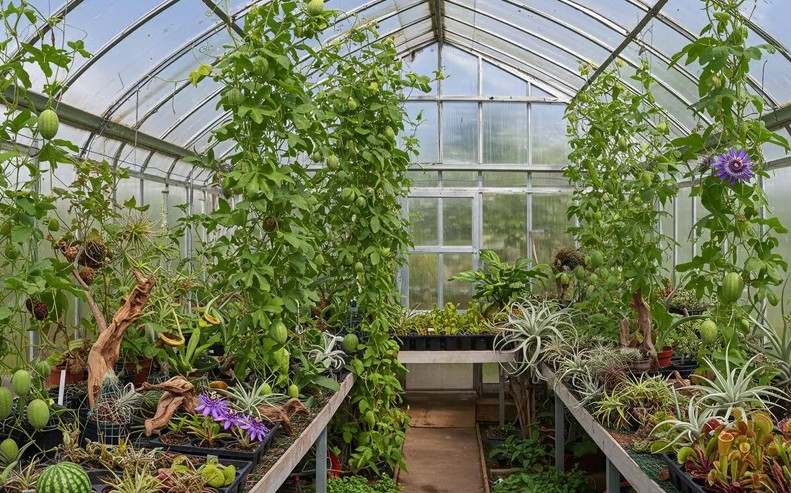
Greenhouses have become an essential tool for gardeners, horticulturists, and commercial growers aiming to extend growing seasons and improve plant productivity. The control over environmental conditions within a greenhouse setting offers significant advantages compared to traditional outdoor gardening. Quality greenhouses provide a controlled environment that can optimise temperature, humidity, and light, fostering better growth and higher yields.
The Importance of Controlled Environment for Plant Growth
Plants require specific conditions such as adequate light, temperature, humidity, and protection from pests to thrive. Outdoor cultivation often subjects plants to fluctuating weather and pest pressures that can impede growth and productivity. By using a quality greenhouse, growers can create a microclimate tailored to the needs of their plants, ensuring stable conditions that encourage healthy development.
Within a greenhouse, temperature can be moderated to prevent extremes, while humidity levels can be maintained to prevent stress on plant tissue. Additionally, controlling light exposure through shading or supplemental lighting allows for optimisation of photosynthesis, which is crucial for plant growth and fruit development.
Features of Quality Greenhouses
Not all greenhouses are created equal. A quality greenhouse incorporates robust design, durable materials, and efficient ventilation systems. Suitable structure and glazing materials influence insulation and light transmission, both critical for maintaining optimal growing conditions.
Polycarbonate panels and glass are common glazing materials that offer high light diffusion and are resistant to weather and impact. Additionally, strong frame materials such as aluminium or galvanised steel enhance the longevity and stability of greenhouses, especially in adverse weather conditions.
Ventilation and Climate Control Systems
Proper ventilation is essential in a greenhouse to prevent excessive humidity and heat, which can harm plants and promote diseases such as mould and mildew. Quality greenhouses include adjustable vents, roof openings, or automated ventilation systems to regulate airflow efficiently.
Heating and cooling systems can also be integrated within greenhouses to ensure a consistent temperature range. The use of thermostats to automate these systems reduces human error and ensures plants receive ideal conditions regardless of outdoor weather fluctuations.
Maximising Space with Design Considerations
A well-designed greenhouse maximises space use, enabling more plants to be cultivated within a limited footprint. Vertical growing systems such as shelves, hanging baskets, and tiered beds allow for increased plant density, optimising available area without compromising plant health.
Designing pathways and work areas within the greenhouse facilitates ease of access for maintenance and harvesting, which are critical for efficient management of plant growth.
Considerations for Choosing a Greenhouse
When selecting a greenhouse, several factors should be taken into account to ensure it meets specific growing needs. These include size, location, budget, and the types of plants intended for cultivation.
The greenhouse size influences not only how many plants it can accommodate but also how easily environmental conditions can be stabilised. Larger greenhouses may require more sophisticated climate control systems, while smaller units are generally more manageable and cost-effective for hobbyist gardeners.
Location is vital because it determines sunlight availability and exposure to prevailing winds. A greenhouse sited in a sheltered area with good sun access reduces the need for supplementary heating and ventilation.
Benefits of Greenhouses for Various Growers
Greenhouses offer benefits for a broad spectrum of users, from home gardeners to commercial growers. Hobbyists can extend their growing season, experiment with exotic plants, and improve success rates by using a greenhouse. Commercial producers gain from higher yields, better quality produce, and the ability to meet market demands more effectively.
In addition, greenhouses contribute to sustainable practices by enabling water conservation through drip irrigation and reducing pesticide use by controlling pests in a closed environment.
Greenhouses and Seasonal Extension
One of the most sought-after advantages of greenhouses is the ability to extend growing seasons. Many plants have specific temperature thresholds below which growth slows or stops. By maintaining warmer conditions inside the greenhouse during cooler months, plants can continue growing or be sown earlier in the season.
This time advantage translates to earlier harvests, multiple cropping cycles, and the ability to cultivate a wider variety of plants than would be possible outdoors.
Maintenance and Longevity of Greenhouses
Maintaining a greenhouse ensures that it continues to function effectively and protects plants as intended. Regular inspections of the structure, cleaning of glazing to maintain light transmission, and upkeep of ventilation and heating systems are essential.
Deterioration of seals or frames can lead to energy loss and decreased environmental control. Therefore, investing in quality materials during purchasing can reduce maintenance frequency and increase longevity.
Additional Accessories to Enhance Plant Growth
Beyond the basic greenhouse structure, several accessories can be employed to further maximise plant growth. These include shading cloths to prevent overheating, automated watering systems to provide precise moisture levels, and supplemental lighting to enhance photosynthesis during low light periods.
Integrating sensors to monitor temperature, humidity, and soil moisture allows data-driven management decisions, optimising plant health and growth efficiency.
Economic Considerations
While the initial cost of purchasing and installing a quality greenhouse may be significant, the return on investment can be substantial. Increased yields, extended growing seasons, and reduced crop losses contribute to improved economic outcomes for growers.
In addition, greenhouses can facilitate the production of high-value crops such as herbs, flowers, or specialty vegetables that command premium prices in markets.
Environmental Impact and Sustainability
Using greenhouses can support environmentally sustainable practices by minimising the need for chemical inputs and reducing water consumption through efficient irrigation. The possibility of localised food production reduces transport emissions associated with imported produce.
Energy consumption for heating and lighting is a consideration; however, modern greenhouses can incorporate renewable energy sources and energy-efficient technologies to mitigate environmental impact.
Choosing a Supplier for Quality Greenhouses
Selecting a reputable supplier ensures access to greenhouses that meet high standards in durability, design, and functionality. Customers should evaluate options based on product warranties, customer support, and the availability of after-sales services.
For those interested in acquiring high-quality greenhouses, greenhouses from established suppliers offer reliable solutions tailored to various growing requirements.
Conclusion
Investing in a quality greenhouse provides growers with the tools necessary to optimise plant growth, increase productivity, and extend cultivation seasons. With proper planning, maintenance, and utilisation of advanced accessory systems, greenhouses can significantly enhance the success and sustainability of plant cultivation.
The controlled environment, space efficiency, and protection offered by greenhouses make them valuable assets for both amateur and professional growers alike.