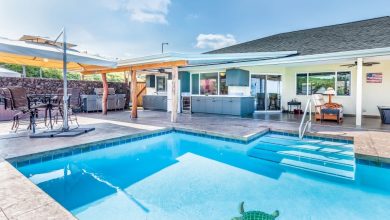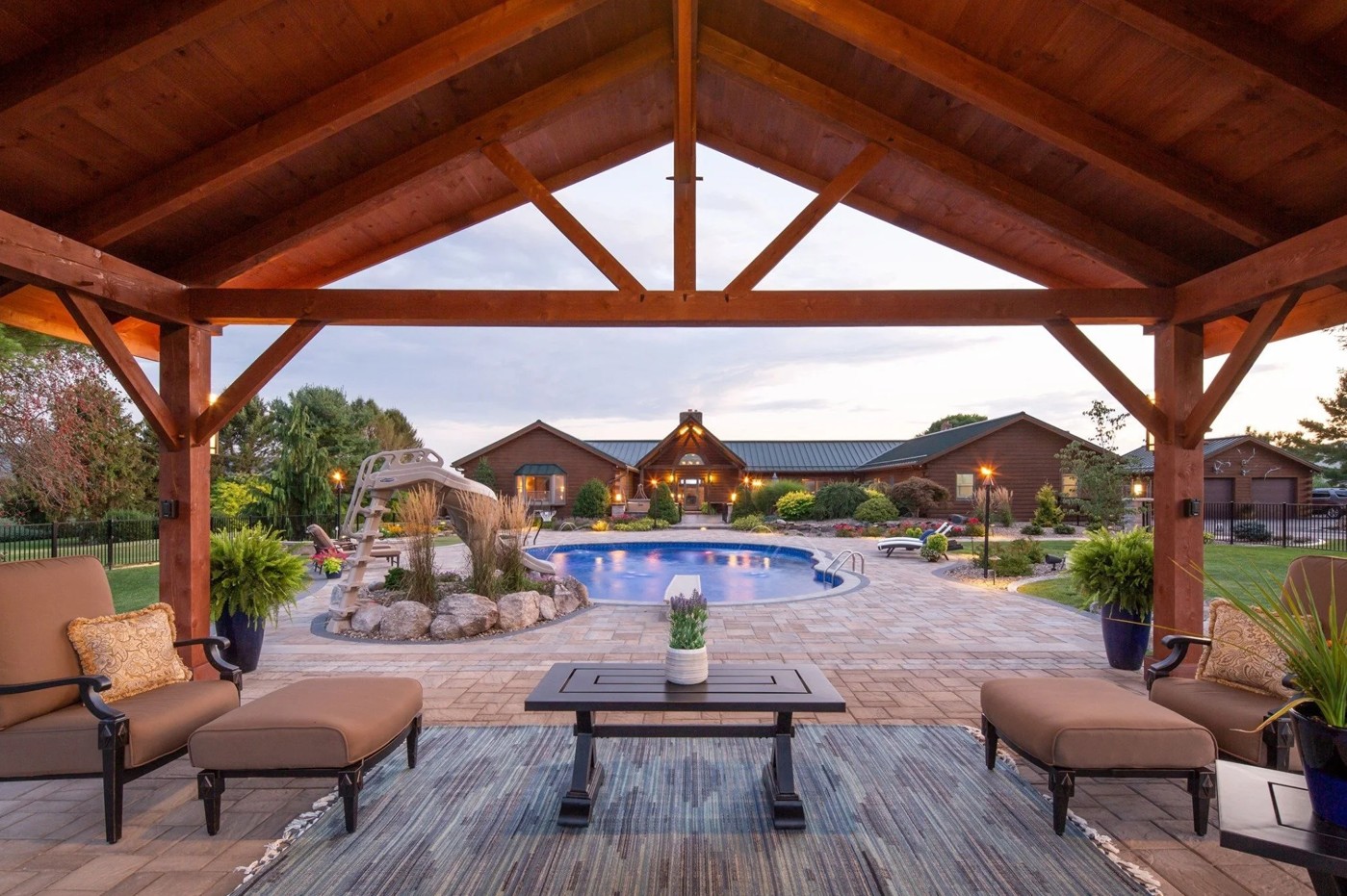
Outdoor pavilions have become a staple in backyards and public spaces, offering shade, shelter, and a touch of elegance to gatherings or quiet retreats. Whether you’re hosting summer barbecues or simply enjoying a rainy afternoon, the right pavilion can transform your outdoor area into a functional extension of deyour home. But with changing weather patterns—think heavy rains, scorching sun, or even snow in some regions—choosing materials that stand up to the elements is crucial. It’s not just about aesthetics; it’s about longevity and low maintenance. For instance, if you’re also considering ways to protect other outdoor features like a swimming pool cover, you’ll want materials that handle moisture and UV exposure without deteriorating quickly.
In this article, we’ll dive into the best materials for building weather-resistant outdoor pavilions. We’ll explore their properties, advantages, drawbacks, and real-world applications. By the end, you’ll have a clearer idea of what might work best for your climate and needs. Let’s break it down step by step.
Understanding Weather Resistance in Pavilion Materials
Before jumping into specific materials, it’s worth discussing what makes a material “weather-resistant.” Weather resistance refers to a material’s ability to withstand environmental stressors like rain, wind, sun, temperature fluctuations, and even pollutants. Key factors include:
- Moisture Resistance: Does it absorb water, leading to rot or rust?
- UV Protection: Will it fade, crack, or weaken under sunlight?
- Durability Against Wind and Impact: Can it handle strong gusts or hail?
- Thermal Expansion: How does it react to heat and cold cycles?
- Maintenance Requirements: How much upkeep is needed to keep it looking good?
In harsher climates, like coastal areas with salty air or mountainous regions with heavy snow, these factors become even more critical. A pavilion in Florida might prioritize hurricane resistance, while one in the Midwest could focus on freeze-thaw cycles. Always consider local building codes and consult professionals for structural integrity.
Wood: Timeless Appeal with Modern Treatments
Wood has been a go-to for outdoor structures for centuries, and for good reason—it’s natural, versatile, and blends seamlessly with landscapes. But not all wood is created equal when it comes to weather resistance. Let’s look at the top contenders.
Cedar and Redwood: Natural Defenders
Cedar and redwood are softwoods prized for their inherent resistance to decay and insects. These woods contain natural oils and tannins that act as preservatives, making them ideal for humid or rainy environments.
- Pros: Excellent rot resistance without heavy chemical treatments; beautiful grain that ages gracefully to a silver patina; lightweight yet strong for easy construction.
- Cons: Higher upfront cost; can splinter if not maintained; vulnerable to extreme UV if untreated.
- Best For: Moderate climates with occasional rain. In places like the Pacific Northwest, cedar pavilions hold up well against constant moisture.
I’ve seen cedar pavilions in parks that look as good after a decade as they did on day one, thanks to those built-in defenses. To boost weather resistance, apply a UV-protectant sealant every couple of years. This prevents cracking and keeps the color vibrant.
Pressure-Treated Pine: Budget-Friendly Toughness
For those watching their wallet, pressure-treated pine offers solid performance. The wood is infused with chemicals under high pressure to resist rot, fungi, and termites.
- Pros: Affordable and widely available; strong structural integrity for larger pavilions; can last 20-30 years with proper care.
- Cons: Chemicals can leach initially, so not ideal near gardens or water sources; tends to warp or crack if not dried properly before installation.
- Best For: Wet, insect-prone areas. It’s a staple in southern states where humidity is high.
One tip from experience: Let the wood acclimate to your local humidity for a week before building to minimize twisting. Pair it with galvanized hardware to avoid corrosion.
Wood pavilions require regular inspections for signs of wear, like soft spots or discoloration. Sanding and resealing every 1-3 years keeps them resilient. Overall, wood’s warmth makes it a favorite, but it demands more hands-on care than synthetic options.
Metal: Strength and Modernity
Shifting gears to metals, these materials bring a sleek, contemporary vibe to pavilions while offering superior strength against the elements. They’re less about organic charm and more about reliability.
Aluminum: Lightweight and Corrosion-Proof
Aluminum is a superstar for weather resistance, especially in coastal or rainy zones. It’s naturally rust-resistant and doesn’t absorb moisture.
- Pros: Extremely durable—won’t rot, warp, or fade; low maintenance (just occasional cleaning); recyclable and eco-friendly.
- Cons: Can dent under heavy impact; conducts heat, so it might feel hot in direct sun; higher initial cost for powder-coated versions.
- Best For: High-wind areas or near saltwater. Think beachside pavilions that endure salty spray without a hitch.
Powder coating adds an extra layer of protection against scratches and UV damage, available in various colors to match your style. I’ve noticed aluminum structures in public spaces that require zero upkeep beyond a hose-down, making them perfect for busy homeowners.
Steel: Heavy-Duty Resilience
Galvanized or stainless steel takes durability up a notch, ideal for pavilions that need to support heavy snow loads or withstand storms.
- Pros: Incredible strength for large spans; fire-resistant; long lifespan (up to 50 years).
- Cons: Prone to rust if the coating chips; heavier, requiring stronger foundations; can be noisy in rain.
- Best For: Snowy or windy regions. In the Rockies, steel pavilions shrug off blizzards like they’re nothing.
To maximize weather resistance, opt for hot-dip galvanization, which bonds zinc to the steel for superior corrosion protection. Regular touch-ups on any scratches prevent issues down the line.
Metals excel in low-maintenance scenarios, but they can feel industrial. Combining them with wood accents softens the look while retaining toughness.
Synthetic and Composite Materials: Innovation Meets Practicality
For those seeking the best of both worlds—natural appearance without the upkeep—synthetics and composites are game-changers. These engineered materials mimic traditional ones but with enhanced weather-proofing.
Vinyl and PVC: Waterproof Wonders
Vinyl (or PVC) pavilions are molded to look like wood or metal, but they’re fully synthetic, making them impervious to water and pests.
- Pros: Completely rot- and rust-proof; no painting or sealing needed; easy to clean with soap and water.
- Cons: Can become brittle in extreme cold; limited color options that might fade over time; less structural strength for very large builds.
- Best For: Humid, tropical climates. They’re popular in Florida backyards where mold is a constant threat.
One advantage is their snap-together assembly, which appeals to DIY enthusiasts. Just ensure UV stabilizers are included to prevent yellowing.
Composite Wood: The Hybrid Hero
Made from recycled wood fibers and plastics, composites offer wood’s beauty with plastic’s resilience. High-quality versions resist fading and cracking exceptionally well.
- Pros: Eco-friendly (uses recycled materials); stain-resistant; won’t splinter or warp.
- Cons: Heavier than wood; can absorb heat, making surfaces hot; more expensive than basic wood.
- Best For: All-weather versatility. In variable climates like the Midwest, composites handle everything from heatwaves to freezes.
Capped composites, with a protective outer layer, are especially weather-resistant. They require minimal cleaning—just a power wash annually.
These modern materials are rising in popularity because they balance aesthetics and ease. If sustainability matters to you, composites are a smart pick.
Factors to Consider When Choosing Materials
Selecting the right material isn’t just about the pavilion itself—it’s about your lifestyle and environment. Here are key considerations:
- Climate-Specific Needs: In arid deserts, focus on UV resistance; in rainy areas, prioritize waterproofing.
- Budget Breakdown: Wood might be cheaper initially, but metals and synthetics save on long-term maintenance.
- Aesthetic Preferences: Do you want a rustic feel or a modern edge?
- Size and Design: Larger pavilions may need stronger materials like steel.
- Environmental Impact: Opt for sustainably sourced wood or recycled composites.
Weigh these against your usage—will it be for occasional parties or daily lounging? Testing samples in your yard can help visualize the fit.
Maintenance Tips for Long-Lasting Pavilions
No material is entirely maintenance-free, but smart habits extend lifespan.
- Regular Cleaning: Remove debris to prevent mold; use mild detergents.
- Seasonal Inspections: Check for cracks, loose bolts, or fading before weather worsens.
- Protective Coatings: Apply sealants or paints as recommended.
- Foundation Care: Ensure proper drainage to avoid water pooling.
- Winter Prep: In cold areas, remove snow promptly to prevent collapse.
Following these keeps your pavilion functional and attractive year-round.
Quick Material Comparison
Here’s a straightforward overview of how the main materials stack up:
- Cedar/Redwood: High durability (8/10), medium maintenance, mid-to-high cost; excels in humid, moderate climates.
- Pressure-Treated Pine: Good durability (7/10), higher maintenance, low cost; great for wet, insect-heavy areas.
- Aluminum: Very high durability (9/10), low maintenance, higher cost; ideal for coastal or windy locations.
- Steel: Top durability (10/10), medium maintenance, higher cost; perfect for snowy or stormy regions.
- Vinyl/PVC: High durability (8/10), low maintenance, mid-range cost; suits tropical or humid environments.
- Composite: Very high durability (9/10), low maintenance, higher cost; versatile for variable weather.
This breakdown highlights the trade-offs—steel leads in raw strength, while wood provides unmatched natural warmth.
Emerging Trends in Pavilion Materials
Looking ahead, innovations like nanotechnology coatings are enhancing weather resistance across materials. These microscopic layers repel water and block UV more effectively. Also, smart materials that self-heal minor damages are on the horizon, reducing repair needs.
Sustainable options, such as bamboo composites, are gaining traction for their rapid renewability. Bamboo grows quickly and offers wood-like strength with better moisture resistance.
Conclusion: Building for the Future
Choosing the best materials for a weather-resistant outdoor pavilion boils down to balancing durability, maintenance, and style with your specific needs. Whether you go for the natural charm of wood, the unyielding strength of metal, or the low-fuss appeal of synthetics, investing in quality pays off in years of enjoyment. As you plan your outdoor space, consider how these choices integrate with other features, like an adjustable louvered pergola for customizable shade. With the right material, your pavilion won’t just survive the weather—it’ll thrive in it.