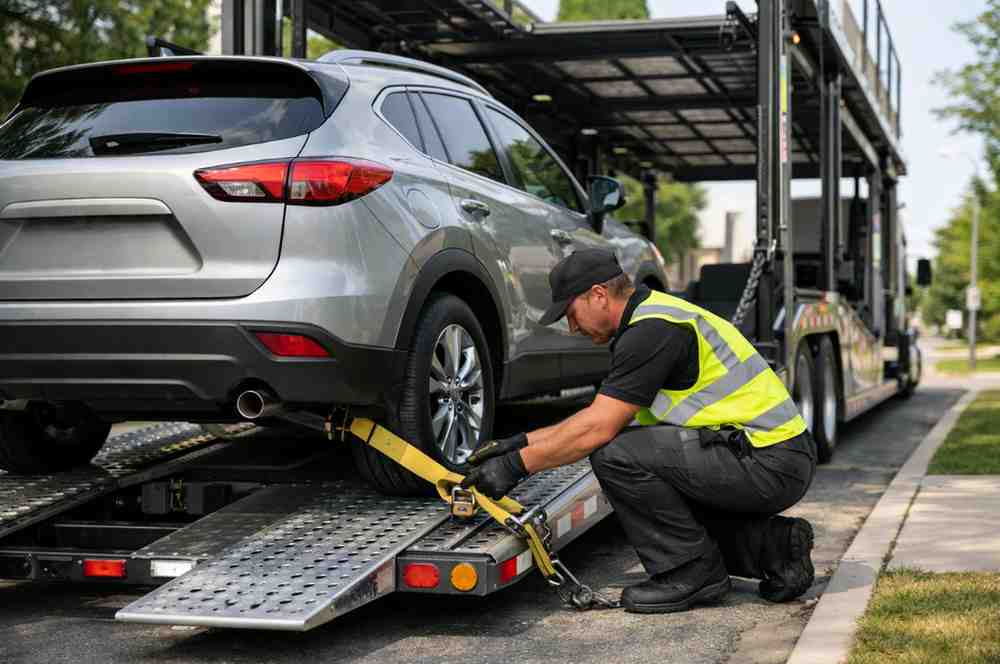
Moving a car across the country can sound like a major undertaking, especially if you have never arranged vehicle transportation before. Maybe you are relocating for work, sending a car to a family member, buying a vehicle from another state, or heading off to college. Whatever the reason, you do not necessarily have to spend several days behind the wheel to get your car where it needs to go.
With a little preparation, shipping a vehicle can be a relatively straightforward process. Here is what first-timers should know before getting started.
Decide Whether Shipping Makes Sense
The first question is whether transporting the car is actually the best option for your situation. Driving may seem cheaper at first, but a long-distance road trip comes with additional expenses, including gas, hotels, meals, tolls, and potentially taking time away from work.
There is also extra mileage and general wear and tear to consider. If you are moving a particularly long distance, arranging transportation can save you a considerable amount of time and effort.
Compare Transportation Options
Do not automatically go with the first company or quote you find. Prices can vary depending on your route, the size and type of vehicle, the time of year, and how quickly you need the car delivered.
Using a service that allows you to compare options can make the process easier. For example, people arranging transportation in coastal Virginia can explore car transporters in Virginia Beach and compare available providers based on their requirements.
When comparing quotes, look beyond the headline price. Check what is included, whether insurance coverage is provided, and what previous customers have said about the transporter.
Prepare Your Vehicle
Your car will need a little attention before pickup day. Remove personal belongings and anything valuable from the interior, as these items may not be covered if they are damaged or lost during transportation.
It is also a good idea to wash the exterior. A clean car makes it much easier to identify any existing scratches, dents, or marks before the vehicle is collected. Take clear photos from several angles so you have a record of its condition.
Check the tire pressure, battery, and fluid levels as well. Unless instructed otherwise, leave only a small amount of fuel in the tank.
Understand Pickup and Delivery
Car shipping does not always work like a parcel delivery service with an exact arrival time. Weather, traffic, road closures, and other unexpected delays can affect schedules, particularly on cross-country journeys.
Make sure you understand the estimated pickup and delivery windows beforehand and keep your phone available in case the driver needs to contact you.
When the vehicle arrives, inspect it carefully before signing the final paperwork. Compare its condition with the photos you took before shipping.
Plan Ahead and Keep It Simple
Your first experience shipping a car does not need to be stressful. Start looking at your options early, compare transporters carefully, prepare the vehicle properly, and keep all relevant documentation somewhere accessible.
Once those basics are covered, moving a car hundreds or even thousands of miles can be far easier than tackling the entire journey yourself.