Medical crises may occur anywhere, from residential neighbourhoods and schools to crowded workplaces and public areas. The initial few minutes of an emergency may have a big impact on the outcome, even if skilled medical help is crucial. For this reason, first aid knowledge is becoming more and more crucial in contemporary society. Knowing how to react to accidents, sudden illnesses, and other unforeseen circumstances enables people to help others right away while they wait for trained medical personnel to come.
Creating Communities With Improved Emergency Readiness
A community that is aware of possible hazards and knows how to react effectively is said to be prepared. People of all ages and backgrounds may benefit from having a basic understanding of first aid since accidents and medical situations are unexpected.
People may react more confidently if they learn fundamental skills like wound care, bleeding control, and recovery positions. Communities that support first aid education also foster a feeling of shared responsibility among their citizens, who understand the value of assisting others in dire circumstances.
Structured training provides a chance for anyone interested in first aid Hobart to acquire useful emergency response skills. Participants in these programmes gain knowledge of typical medical scenarios and practice methods that might be helpful in public settings, at work, or at home.
Enhancing Public Space Emergency Response
Large numbers of people frequent shopping malls, parks, recreational facilities, and community meeting places. Even though these settings are usually safe, unforeseen medical emergencies might happen at any time.
Someone can have trouble breathing, fall, or pass out unexpectedly. A trained bystander’s prompt response in such situations may have a significant impact.
Understanding first aid enables people to see warning indicators, get in touch with emergency services, and provide appropriate assistance without putting others in danger. Increasing the number of trained individuals in public areas strengthens the network of community safety.
Recognising The Value Of CPR Knowledge
Every second matters when someone has cardiac arrest; thus, cardiac crises must be addressed very quickly. Cardiopulmonary resuscitation, or CPR, is an essential emergency response method that may help maintain blood flow until more advanced medical assistance arrives.
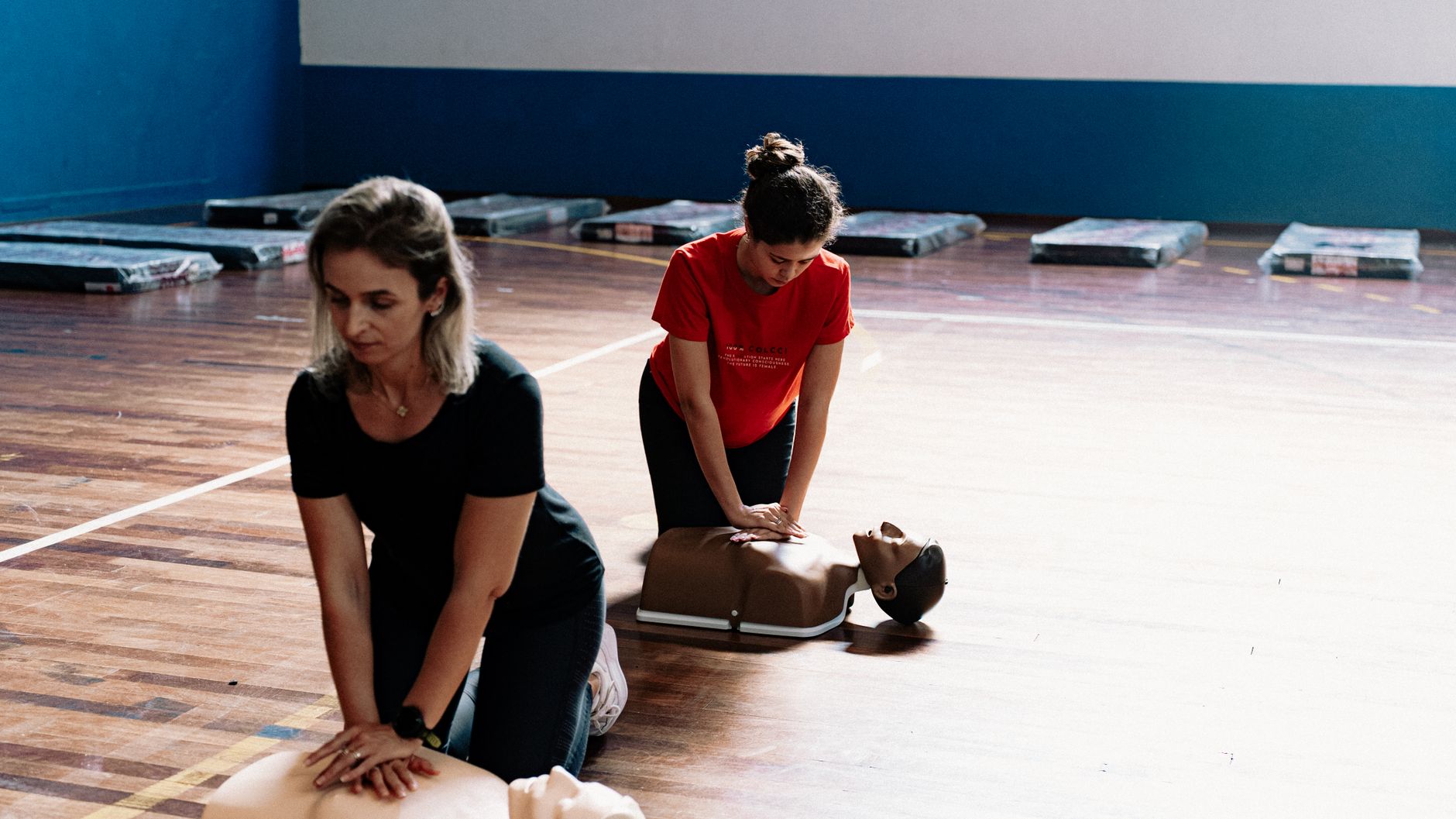
Participants in a CPR course Hobart may learn how to do chest compressions, identify cardiac arrest, and use an automated external defibrillator when one is available.
Participants are also better able to comprehend the significance of swiftly calling emergency services thanks to practical teaching. Gaining these abilities may help people be better equipped to react to a potentially fatal cardiac event.
Increasing Families’ Knowledge Of First Aid
Although homes are familiar locations, burns, wounds, falls, and choking accidents may happen there as well. Knowing the fundamentals of emergency procedures may be very helpful for families with small children or elderly relatives.
First aid-trained parents and carers are more equipped to identify possible risks and react effectively in the event of an accident.
First aid education encourages families to keep readily available first aid supplies, create emergency contact plans, and talk about home safety procedures in addition to providing urgent emergency treatment.
Encouraging Safer Workplaces With Hands-On Training
There is more to workplace safety than just adhering to rules and keeping equipment in good working order. Additionally, workers should know what to do in the event that a coworker is hurt or unexpectedly ill.
Employees may learn vital skills for handling typical workplace emergencies by taking a First Aid Course Hobart. Burns, fractures, bleeding, and other medical emergencies that call for emergency care may be included in training.
Companies that support proper first aid training help foster a culture in the workplace where safety is seen as a shared duty rather than an individual problem.
Prioritising First Aid Education In The Community
Awareness of first aid should not be limited to those who operate in high-risk or medical settings. Schools, neighbourhood associations, athletic teams, and nearby companies may all help by promoting involvement in hands-on training.
Because individual skill levels and emergency response guidelines might vary over time, regular refresher courses are also crucial.
Conclusion
The desire for communities to become more prepared, accountable, and safety-conscious is reflected in the expanding significance of first aid knowledge. Knowing how to react in an emergency may have a significant impact, whether at home, at work, or in public areas. Modern communities may boost confidence, enhance emergency readiness, and make everyone’s surroundings safer by promoting easily available training and continuing education.