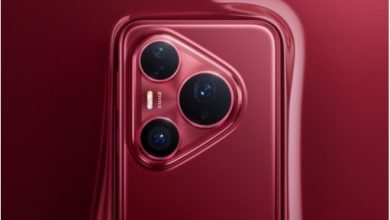
Audio performance affects every interaction on a smartphone—calls, video chats, music streaming, voice messages, and even navigation prompts. While users often focus on camera megapixels or screen refresh rates, audio quality is equally essential for communication and entertainment. Each audio parameter contributes to clarity, loudness, immersion, and intelligibility. The way a phone handles voice frequencies, background noise, and speaker output determines whether conversations sound natural or strained. A device like the HONOR 400 Smart phone, known for its high-volume dual speakers and balanced audio tuning, illustrates how thoughtful design translates into dependable sound across both quiet and noisy environments.
How Audio Engineering Shapes Everyday Listening and Communication
Microphone Sensitivity Determines Voice Accuracy
Microphone sensitivity defines how well the device captures the user’s voice. A sensitive microphone responds to soft speech without distortion, enabling clearer calls when the user speaks quietly or at a distance. Good sensitivity also helps reduce the need to repeat phrases, especially in remote work meetings or long phone conversations. However, sensitivity must be balanced with control. If the microphone is too reactive, it may pick up intrusive background noise. When the audio system uses intelligent calibration, it can isolate the speaker’s voice while suppressing wind noise, room echoes, or low-level hum. This balance creates a natural, conversational sound that feels closer to in-person dialogue. Phones that combine hardware sensitivity with smart processing deliver the most consistent call quality.
Noise Filtering Enhances Privacy and Intelligibility
Noise filtering works behind the scenes to remove unwanted sounds during calls. Algorithms identify patterns unrelated to human speech—traffic rumble, keyboard taps, air conditioners—and reduce their presence in real time. This improves not only how the speaker sounds to the listener but also how relaxed the user feels during calls. When the phone does the filtering, the user no longer needs to search for a quiet corner or raise their voice artificially. Effective noise filtering also matters in messaging apps that rely on voice notes. A cleaner recording makes communication faster and prevents misunderstandings. The HONOR 400 Smart, built to withstand active environments with strong durability, complements such noise control features by delivering stable audio even during movement or outdoor use.
Frequency Response Shapes Natural Tone and Detail
Frequency response describes how accurately the phone captures or plays back lows, mids, and highs. For voice, midrange clarity is most important because it contains the defining moments of speech. A balanced response ensures that voices sound warm but not muffled, sharp but not harsh. When listening to music or video, the broader frequency range becomes relevant. Deep bass adds presence, midrange articulates vocals, and treble highlights subtle details such as cymbals or ambient effects. A well-tuned phone creates a cohesive soundstage that makes content immersive even without external speakers or headphones. Differences in audio tuning can dramatically influence how users perceive media quality.
How Speakers and Playback Technologies Influence User Experience
Speaker Layout Affects Loudness and Immersion
Speaker placement determines how sound travels. Dual speakers, particularly when arranged for stereo output, make media richer and more spatial. They help distinguish directional audio in movies and games and prevent sound from feeling compressed. A strong layout also improves call loudspeaker performance, making voices easier to hear while multitasking. The HONOR 400 Smart uses dual speakers with high-volume mode to maintain clarity outdoors, where wind, crowds, or traffic can overwhelm weaker systems. When speakers are tuned to handle higher volumes without distortion, users benefit from reliable playback whether watching videos, following navigation instructions, or joining group calls at home.
Volume Amplification Supports Real-World Scenarios
Volume capability is more than a number; it reflects how well a smartphone adapts to different environments. High-volume amplification helps counteract ambient noise and ensures that calls remain audible in public places. It also improves the listening experience during fitness sessions, cooking, or outdoor activities where background noise competes with the phone’s output. Beyond sheer loudness, consistency matters—phones must maintain stable audio quality when volume reaches its upper range. High-volume systems that avoid distortion preserve vocal clarity, making movies and music more enjoyable. The enhanced volume capabilities on the HONOR 400 Smart demonstrate how purposeful amplification enhances daily convenience and comfort.

Audio Processing Refines Playback Quality
Modern smartphones rely on software processing to refine the audio signal. Equalization adjusts frequency balance, compression stabilizes volume levels, and enhancement algorithms add clarity to both music and dialogue. These tools help keep playback intelligible across different content sources, including streaming services, social media clips, and downloaded media. Audio processing also allows the system to adapt to user preferences. Some phones automatically adjust tonal balance based on content type—voices during calls, bass for music, or clarity for podcasts. By tailoring output dynamically, the device ensures users hear every detail without manually adjusting settings.
Conclusion
Audio parameters shape the way users experience communication and entertainment, influencing clarity, loudness, and tonal balance. Microphone sensitivity affects how accurately voices are captured, noise filtering protects conversations from environmental distractions, and frequency response ensures a natural, detailed sound signature. On the playback side, speaker layout enhances immersion, volume amplification supports real-world audibility, and signal processing fine-tunes the overall listening experience. Devices like the HONOR 400 Smart demonstrate how thoughtful engineering leads to dependable call quality and engaging media performance. Understanding these audio components helps users appreciate the technology behind every conversation, song, and video they enjoy throughout the day.