
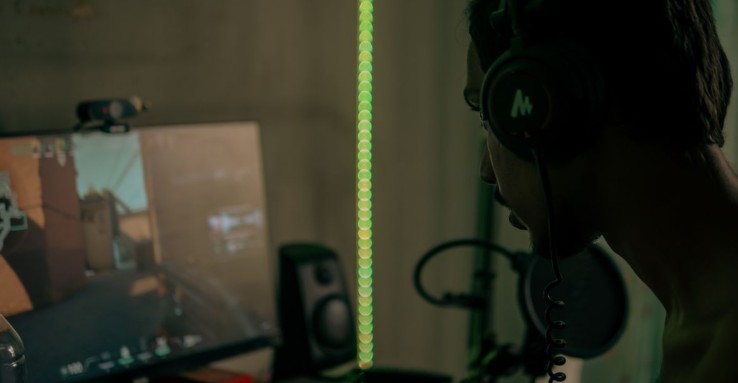
How did online gaming move from sitting at a desk to fitting into the palm of your hand? The change did not happen overnight. It happened through faster internet, better devices, smarter software, and a steady shift in how people spend free time.
What started as a mostly desktop activity has become part of daily mobile life for millions of players. The early days were about heavy computers, cables, and long play sessions. Today, quick matches, social features, and touch controls make gaming feel much more flexible and personal.
This shift says a lot about technology and player habits. It also shows how online gaming adapted as screens got smaller, networks got faster, and people wanted easier ways to play anywhere.
Desktop Gaming Set The Early Standard
Online gaming first grew around desktop computers because they had the processing strength and network support needed for connected play.
The First Big Step Was Connectivity
At first, playing online meant dealing with slow connections and limited hardware. Still, desktops gave players something other devices could not match at the time: enough speed and memory to run complex games with live interaction. That made them the center of early online play.
Desktop gaming also shaped habits that still matter today. Players got used to bigger screens, keyboards, mice, and longer sessions. Competitive play, cooperative missions, and chat-based teamwork all fit naturally on a desktop setup.
For many people, the computer at home was the first place they experienced connected play. If you want to see how far the industry has come, a visit to https://hoki123.net/ shows how online play now appears in far more accessible forms.
Why Desktops Held The Lead For So Long
Desktops stayed on top because they were easier to upgrade and could handle more demanding software. Players who wanted better graphics or smoother performance could improve their machines piece by piece. That flexibility helped desktop gaming remain strong for years.
Another reason was control. Mouse and keyboard input gave players speed and accuracy, especially in fast paced titles. For a long time, mobile devices could not match that level of precision or processing strength.
Internet Speed Changed Player Habits
As connections improved, online gaming began to shift from a fixed home activity into something more connected to everyday life.
Always-On Access Changed Expectations
Faster internet made it easier to keep games updated, connect with other players, and join live matches without long waits. That changed what players expected from online games. Instead of planning around a long session at a desktop, many wanted faster access and shorter play windows.
Social features also grew more important. Voice chat, messaging, friends lists, and shared events made online gaming feel more connected. The computer was still important, but the idea of playing only at a desk started to feel less limiting.
As online play became part of daily routines, the industry had to think beyond one device type. That shift prepared the ground for mobile gaming to become a major part of the picture.
Mobile Apps Brought Gaming Into Everyday Life
When smartphones became common, they changed how people thought about games and when they played them.
Touch Screens Opened New Habits
Mobile apps made it possible to play almost anywhere, from a commute to a short break at home. Touch screens removed the need for a full keyboard and mouse, and that made games easier to pick up for more people. The barrier to entry dropped fast.
Mobile gaming also changed the length of play sessions. Many players no longer wanted to sit through a long setup. Instead, they preferred short rounds that fit into small gaps during the day. That simple shift had a huge effect on game design.
Mobile apps also widened the audience. People who had never used a desktop for gaming could now try online play with a device they already carried. That made gaming feel less technical and more part of normal daily routines.
Better Phones Meant Better Games
As phones improved, mobile games became more detailed and more connected. Stronger processors, sharper screens, and better battery life allowed developers to build richer experiences. Online features also improved, so players could save progress, connect with others, and keep playing across different places.
This change did not replace desktop gaming. It expanded it. Many players now switch between devices depending on time, location, and the kind of game they want to play.
The Future Is About Flexibility
Today, the biggest change is not just that gaming moved from desktop to mobile. It is that players expect choice.
Cross-Device Play Shapes The Next Phase
People want access across phones, tablets, laptops, and desktops without starting over each time. That has pushed developers to think about accounts, saved progress, and shared experiences across devices. The focus is no longer just on one machine. It is on giving players a consistent way to play wherever they are.
That flexibility also changes social play. Friends may use different devices, but they still want to join the same match or chat in the same session. Online gaming keeps adapting because the audience keeps asking for more freedom in how, when, and where they play.
The move from desktop play to mobile apps shows how closely gaming follows technology and daily habits. What began as a home based computer activity now fits into pockets, routines, and short breaks, while still keeping the connection and interaction that made online gaming popular in the first place.
